Research & Scholarship
UD-COM Applicant Status - Seeking Accreditation
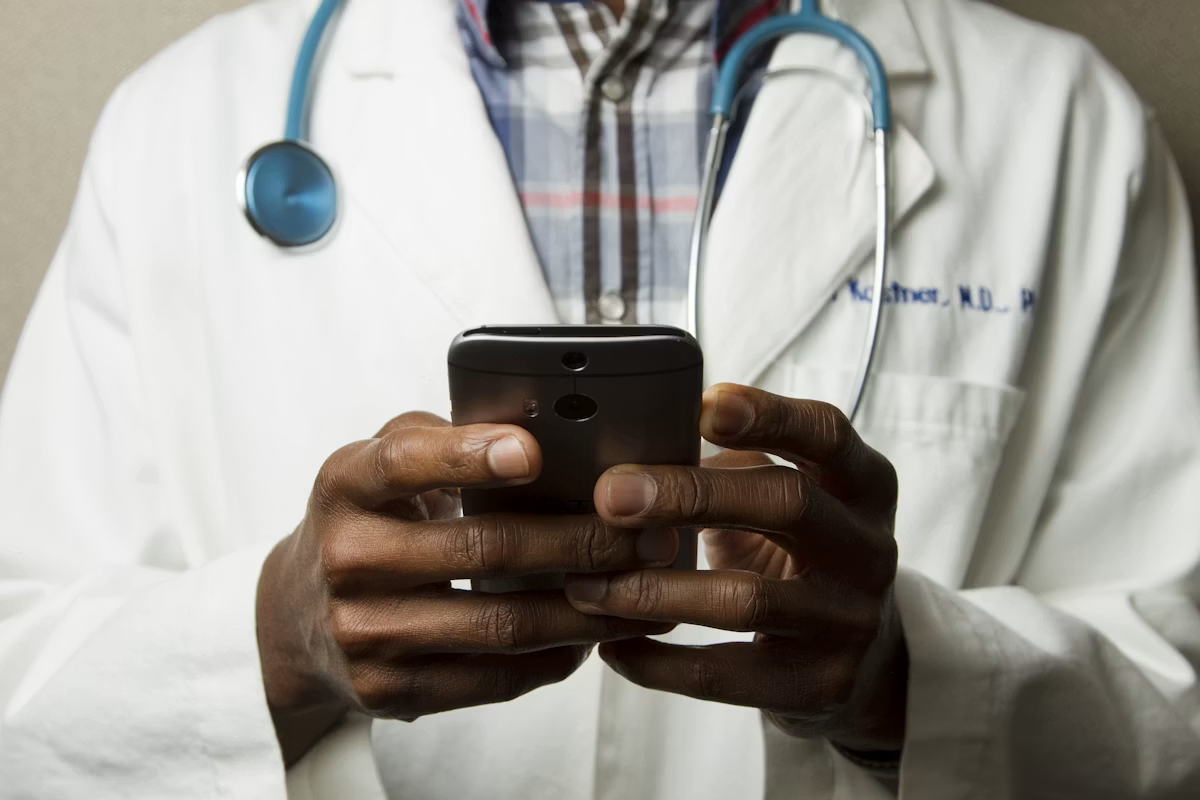
Research at UD-COM will be community-engaged, clinically relevant, and oriented toward the questions that matter most to the people, places, and providers of the upper Midwest.
Research Vision
At the University of Dubuque John and Alice Butler College of Osteopathic Medicine, scholarship will be central to the formation of physicians who are curious, compassionate, evidence-informed, and prepared to serve communities with wisdom and humility.
Research at this COM will not be defined only by laboratories, grants, or publications, although those will be important markers of growth. It will be understood more broadly as disciplined inquiry in service of human health. We believe that physicians should not merely consume medical knowledge. They should learn how knowledge is created, questioned, tested, applied, and improved.
This commitment is especially important for a college of osteopathic medicine. Osteopathic medicine is rooted in whole-person care, the unity of body, mind, and spirit, the relationship of structure and function, and the physician’s responsibility to support health rather than simply treat disease. These principles naturally invite inquiry. They ask physicians to observe carefully, think systemically, seek underlying causes, and remain attentive to the lived experience of each patient.
Our scholarly culture will therefore emphasize both scientific rigor and human meaning. We will encourage students and faculty to ask questions that matter: How can care be improved in rural and community settings? How can technology support, rather than replace, the physician-patient relationship? How can medical education better form resilient, compassionate physicians? How can biomedical discovery be connected to real-world patient needs?
As a proposed college of osteopathic medicine, we are building this research enterprise deliberately and progressively. Early efforts will focus on faculty scholarship, student inquiry, community-engaged research, educational innovation, and partnerships that support the health needs of the region. Over time, these efforts will grow into a broader research and innovation ecosystem serving students, faculty, patients, and communities.
Our goal is to cultivate the scholar-healer: a physician who listens deeply, thinks critically, acts compassionately, and participates in the continuous improvement of medicine.
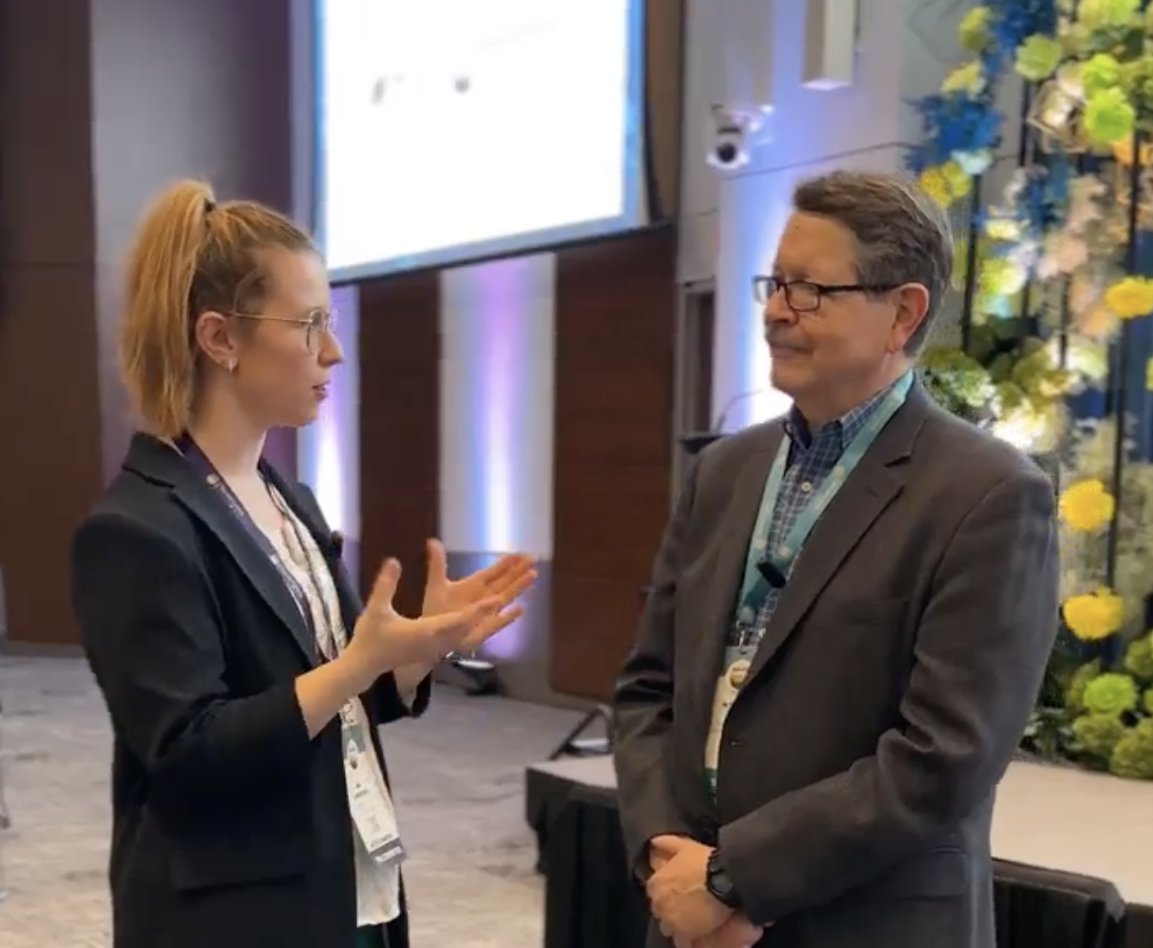
TNS 2026
As a pioneer in spatial biology, his work has laid the groundwork for many of the advancements we see today, while continuing to push the field toward what comes next.
Watch Interview →Why Scholarship Matters Here
Scholarship matters because medicine is not static. New knowledge, new technologies, new diseases, new care models, and new community needs continually reshape the physician’s work. A medical school must therefore do more than teach established facts. It must cultivate the habits of mind that allow future physicians to evaluate evidence, adapt to change, and improve care.
At this COM, scholarship will be part of professional formation. Through inquiry, students learn humility before complexity. They learn to distinguish evidence from assumption. They learn to ask better questions, recognize uncertainty, and seek answers responsibly.
This is not separate from compassionate care. It is one of its foundations. A curious physician is more likely to listen carefully. An evidence-informed physician is more likely to avoid complacency. A reflective physician is more likely to see the patient as a whole person rather than a diagnosis.
Scholarship also helps a new medical school define its public responsibility. We will seek to build a culture in which research, education, innovation, and service are connected by a common purpose: improving health and human flourishing.

Research in Rural and Community Medicine
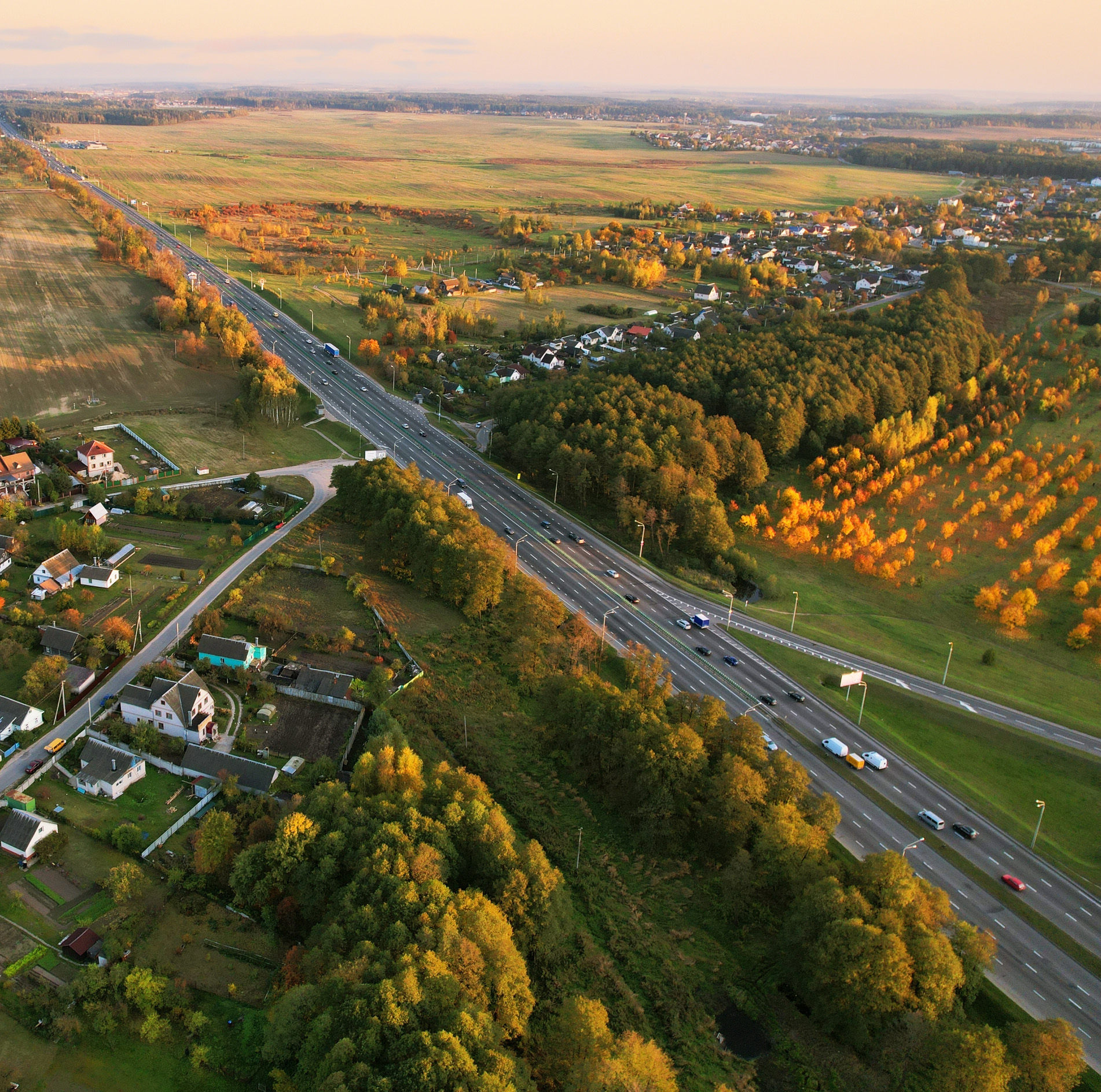
Research belongs in rural and community medicine because some of the most important healthcare questions arise outside major academic medical centers.
Rural and community settings face distinctive challenges, including access to care, workforce shortages, chronic disease burden, behavioral health needs, transportation barriers, aging populations, and limited specialty availability. These challenges require locally informed, practical, and collaborative solutions.
Community-based scholarship allows medical schools to work with, rather than simply study, the communities they serve. It can help identify barriers to care, improve preventive strategies, strengthen trust, and generate solutions that fit real-world clinical environments.
For our COM, research in rural and community medicine will be central to our mission. We will seek to support inquiry that is useful, ethical, collaborative, and responsive to regional needs.
Osteopathic medicine and scientific inquiry are deeply compatible.
The osteopathic tradition emphasizes the unity of the person, the interdependence of body systems, the importance of prevention, and the relationship between structure and function. These principles encourage physicians to look beyond isolated symptoms and ask deeper questions about health, disease, environment, behavior, and community context.
Inquiry is therefore not an add-on to osteopathic education. It is a natural expression of osteopathic thinking.
These are clinical questions, but they are also scholarly questions. A physician formed in this tradition asks:
We will treat learners as whole people.
What can be restored, prevented, or improved?
What systems are interacting?
What does this patient’s whole context reveal?
What do we still need to learn?
Student Research and Scientific Curiosity
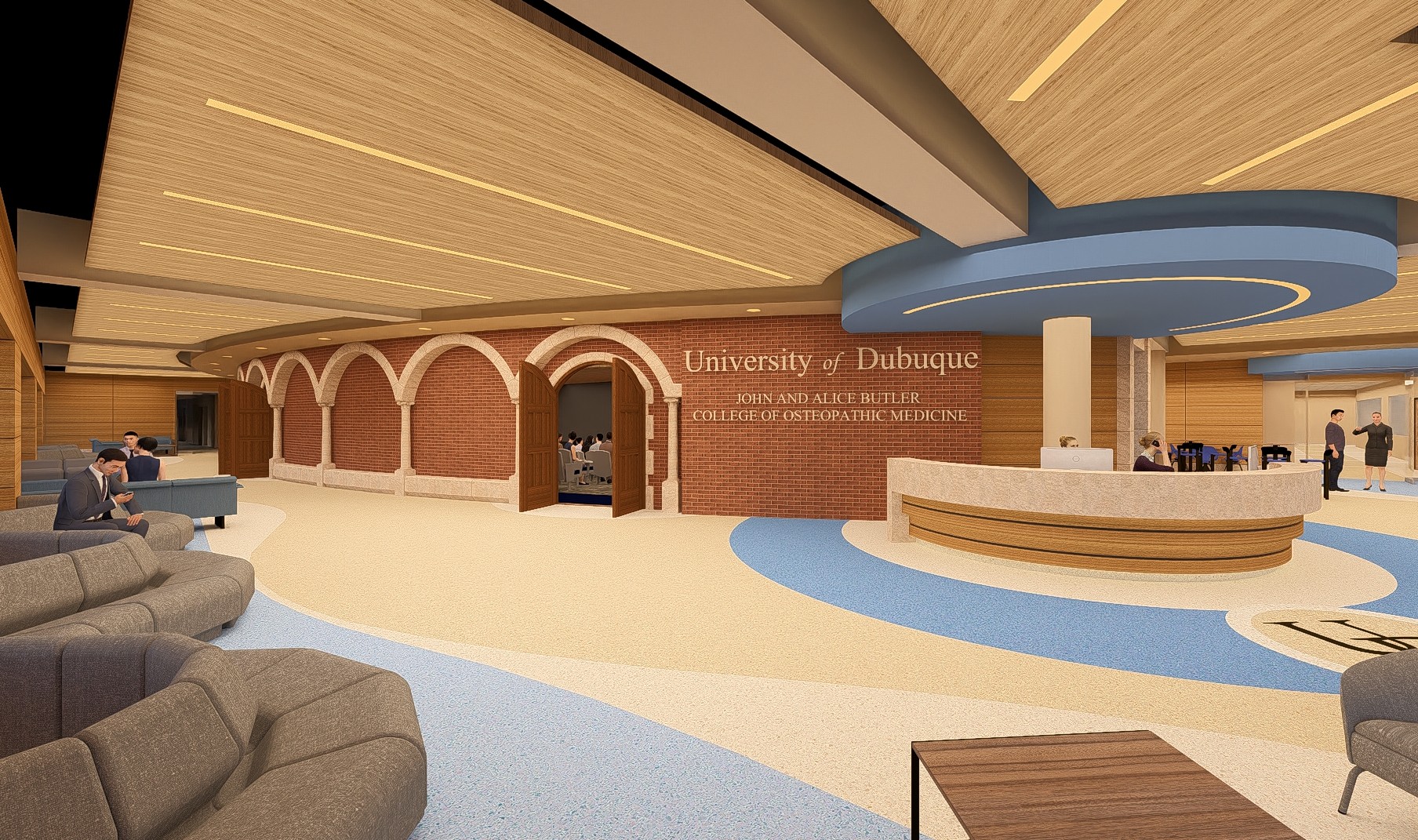
Students should encounter scientific curiosity early in medical school because curiosity is one of the foundations of lifelong learning.
Medical knowledge changes too quickly for physicians to rely only on what they learned during training. Students must learn how to ask meaningful questions, evaluate evidence, interpret uncertainty, and participate in the improvement of care.
At this COM, student inquiry may take many forms: biomedical research, community health projects, educational scholarship, quality improvement, case studies, population health analysis, innovation projects, or work with faculty mentors.
The goal is not that every student become a laboratory scientist. The goal is that every student become a physician capable of thoughtful, evidence-informed, reflective practice.
Innovation and Humanism
Innovation and humanism are not opposing values. Properly guided, innovation can deepen humanistic care.
Technology should not replace the physician’s presence, judgment, or compassion. It should support them. Artificial intelligence, simulation, data science, digital health tools, and new educational models can help physicians learn more effectively, serve patients more wisely, reduce administrative burdens, and expand access to care.
The essential question is not simply, “What can technology do?” The deeper question is, “How can innovation serve patients, families, learners, physicians, and communities?”
As an osteopathic medical school, we will approach innovation through a whole-person lens. We will seek technologies and systems that preserve dignity, strengthen relationships, improve care, and support human flourishing.
Emerging Areas of Inquiry
- Rural and Community Health Innovation
Studying and improving models of care that meet the needs of rural, regional, and underserved communities. - AI and Human-Centered Healthcare
Exploring how artificial intelligence and digital tools can support medical education, clinical practice, patient access, and physician effectiveness while preserving human judgment and compassion. - Osteopathic Systems Thinking
Advancing inquiry into whole-person care, structure-function relationships, prevention, function, and integrative approaches to health. - Medical Education Innovation
Developing and evaluating new ways to teach, assess, mentor, and support future physicians. - Physician Wellbeing and Sustainable Practice
Studying systems that support resilience, meaning, professional identity formation, and humane clinical practice. - Spatial Biology and Precision Medicine
Exploring how advances in biomedical science can deepen understanding of disease mechanisms and support more precise approaches to diagnosis and care. - Community-Engaged Scholarship
Partnering with communities, clinicians, and organizations to address real-world health challenges and improve outcomes through collaborative research and service.